She almost didn’t reply.
It was a simple message. No formal letter, no long explanation. Just a few words:
“Try mo lang. You can do this.”
(“Just give it a try.”)

At that time, she was not a teacher. She had no formal training in education. She was working part-time, unsure of what direction her life in Japan would take. Teaching English felt like something meant for “others,” for people from countries she thought were more qualified, more accepted.
But something about that message stayed with her.
A few weeks later, she stood in front of her first class. Nervous, unsure, but present. Her voice shook at first. Her instructions were not perfect. But her students listened. They responded. They smiled.
That moment changed everything.
Her story is not unique. In fact, it is one of many. And behind many of these stories is a quiet force that started not as an organization, but as a belief.
FETJ Global: Empowering Filipino Educators Across Japan
The Past: When Opportunity Was Not Meant for Everyone
There was a time when Filipino English teachers in Japan were almost invisible. The system favored a certain image of what an English teacher should look like: Western, native-speaking, and often defined more by nationality than ability.
Filipino teachers, despite growing up in a country where English is widely used in schools, the media, and professional life, were often overlooked. Many who came to Japan had to find their own way. They entered through private language schools, accepted lower salaries, and worked under conditions that were not always stable.
In classrooms, they proved themselves every day. Outside, they carried the quiet weight of being seen as “less than,” even when they knew they were not.
Still, they stayed. They learned. They adapted.
And slowly, they began to find one another.
Teach English in Japan: The Ultimate Guide
The Present: When One Person Started Seeing Potential
Before there was a formal community, there was simply someone who paid attention.
Aurora Dobashi did not begin with a structured program or an official plan. What she had was something far more powerful: the ability to see potential in people before they saw it in themselves.
She noticed the quiet ones. The ones who spoke good English but lacked confidence. The ones who said, “I think I want to teach, but I don’t know how.”
She reached out. She encouraged. She guided.
Sometimes it was just a message. Sometimes a conversation over coffee. Sometimes a push that made someone uncomfortable but also helped them grow.
“Try mo lang.” (“Just give it a try.”)
Those words became a turning point for many.
One became a teacher. Then another. Then another.
What started as informal guidance slowly turned into a network. People began sharing experiences, helping each other prepare for lessons, exchanging ideas, and building confidence together.
That network eventually became FETJ Global.
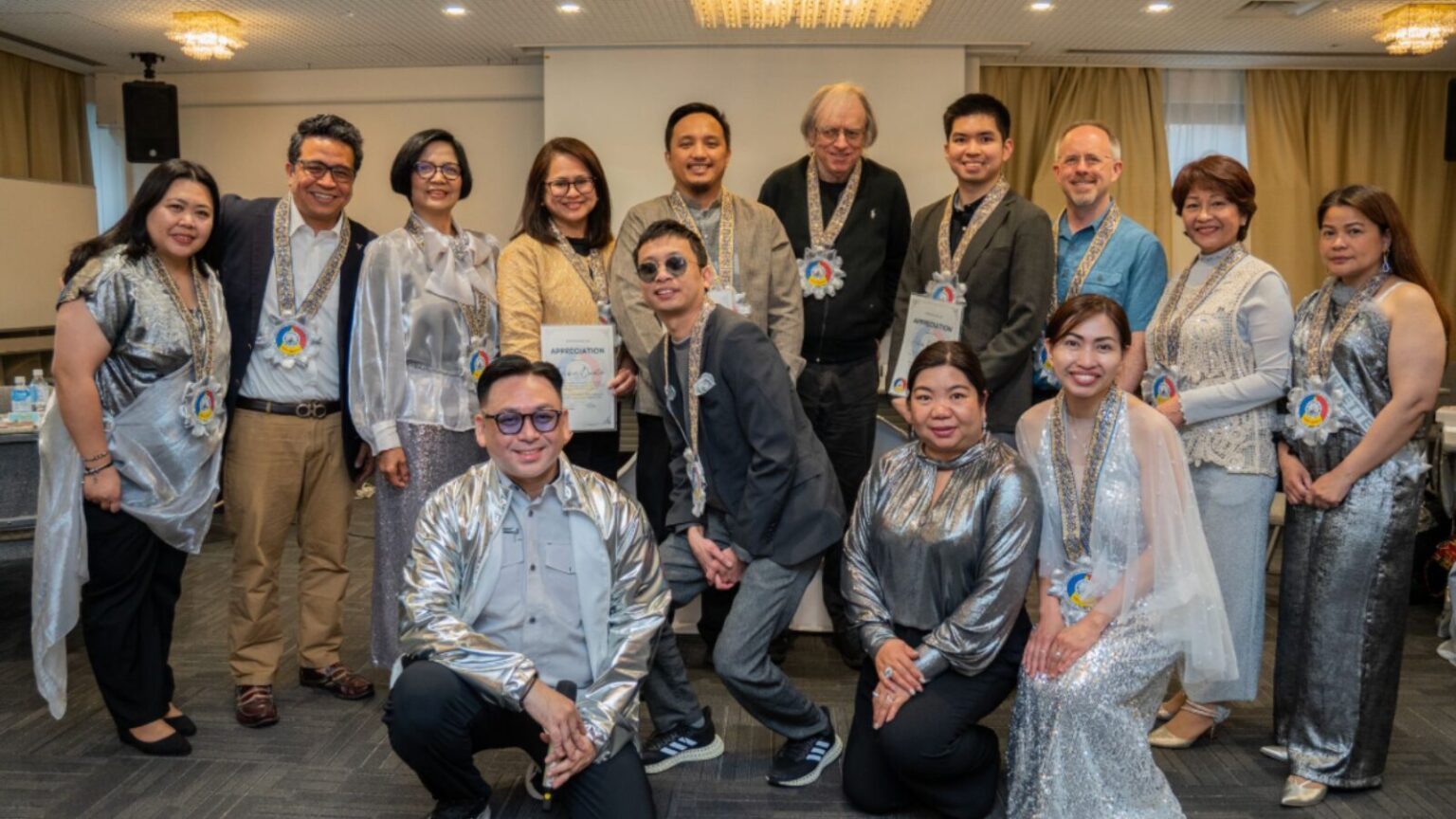
Today, FETJ Global is a growing community that provides training, mentorship, and professional development for Filipino English teachers across Japan. But more than that, it gives teachers something they often lacked before: a sense of belonging.
Through workshops and training sessions, teachers learn not only how to teach better but also how to see themselves differently. They move from feeling like assistants to becoming educators. From doubting their abilities to owning them.
The transformation is not only professional. It is deeply personal.
The Definitive Guide to Being an Assistant Language Teacher in Japan
The Future: When Teachers Become Leaders
The story does not end here.
As Japan continues to open itself to global perspectives, the role of Filipino English teachers is also evolving. There is a growing recognition that English is no longer owned by a few countries. It is a shared language, shaped by diverse voices.
This shift creates space for Filipino teachers to step into bigger roles, not just as assistants, but as lead teachers, trainers, curriculum developers, and even decision-makers in education.
Organizations like FETJ Global are already preparing teachers for this future. By building skills, confidence, and community, they are helping create a new generation of educators who are not only competent but also empowered.
Technology will also expand opportunities. Online teaching, hybrid learning, and digital platforms will allow Filipino teachers to reach learners beyond physical classrooms. Their adaptability and strong communication skills make them well suited to this evolving landscape.
But perhaps the most important change is this.
Filipino teachers are no longer waiting to be chosen. They are choosing themselves.
Teach English in Japan | JET Programme, ALT & Eikaiwa — Which Is Right for You?
Conclusion
The journey of Filipino English teachers in Japan did not begin with policy changes or formal programs. It began with small moments. A message. A conversation. A simple belief.
“Try mo lang.” (“Just give it a try.”)
From that moment, lives changed. Careers were built. Confidence was restored.
And from those individual stories, a community was born.
Today, Filipino teachers in Japan are not just teaching English. They are proving that ability is defined not by where you come from but by what you are willing to become.
And somewhere out there, another message is being sent.
Another “Try mo lang.” (“Just give it a try.”)
And another life is about to change.
Subscribe to the EFL Magazine Newsletter