Teaching English in Japan: A Regional Guide
Where to teach, what to expect, and how to choose your region
Japan spans over 3,000 kilometres from northern Hokkaido to subtropical coral reefs of Okinawa— a vast geographic, cultural, linguistic, and climatic spread. The prefecture you end up teaching in will define your Teaching English in Japan Experience
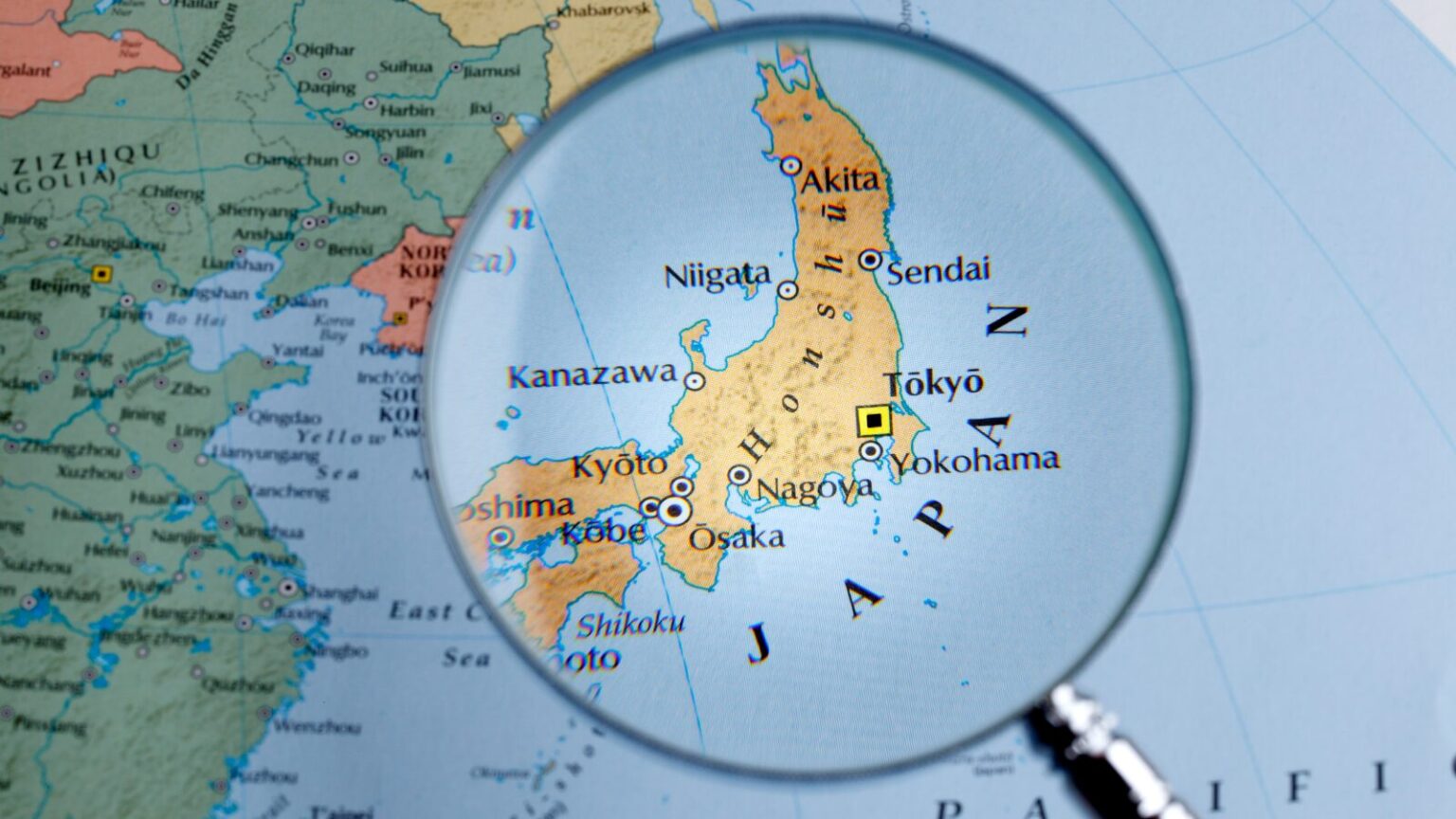
This guide covers Japan’s major regions from the perspective of a TEFL teacher, not a tourist. We are less interested in attractions and more in what it’s actually like to live and work there: the job market, the cost of living, the social environment, the practical realities. We cover eight regions in depth: Hokkaido, Tohoku, Kanto (including Tokyo), Chubu (including Nagoya and the Japan Alps), Kansai (Osaka, Kyoto, Kobe), Chugoku and Shikoku, Kyushu, and Okinawa.

Teach English in Japan | JET Programme, ALT & Eikaiwa — Which Is Right for You?
Japan’s Regions at a Glance
| Region | Key Cities | Job Market | Cost of Living | Best For |
| Hokkaido | Sapporo, Hakodate, Asahikawa | Moderate | Low–Medium | Nature lovers, winter sports fans |
| Tohoku | Sendai, Aomori, Akita, Morioka | Limited (mainly JET/ALT) | Low | Rural experience, saving money |
| Kanto | Tokyo, Yokohama, Saitama, Chiba | Excellent | High | Career development, urban life |
| Chubu | Nagoya, Kanazawa, Matsumoto | Good | Medium | Balance of opportunity and affordability |
| Kansai | Osaka, Kyoto, Kobe, Nara | Very good | Medium–High | Culture, food, city life outside Tokyo |
| Chugoku / Shikoku | Hiroshima, Okayama, Matsuyama | Limited | Low | Authentic Japan, quiet lifestyle |
| Kyushu | Fukuoka, Nagasaki, Kumamoto | Good | Low–Medium | Warm climate, international feel |
| Okinawa | Naha, Okinawa City (Koza) | Niche (military base schools) | Medium | Beach lifestyle, US connections |
Hokkaido
| Main Cities | Sapporo, Hakodate, Asahikawa, Obihiro, Kushiro |
| Climate | Subarctic; severe winters with heavy snowfall, warm dry summers |
| Job Market | Moderate — mainly ALT/JET, some eikaiwa in Sapporo |
| Avg. 1K Rent | ¥35,000–¥55,000 (Sapporo); ¥20,000–¥35,000 (rural) |
| Key Employers | JET Programme, Interac, AEON (Sapporo), private eikaiwa |
| English Level | Generally low outside Sapporo; limited English signage in rural areas |
Overview
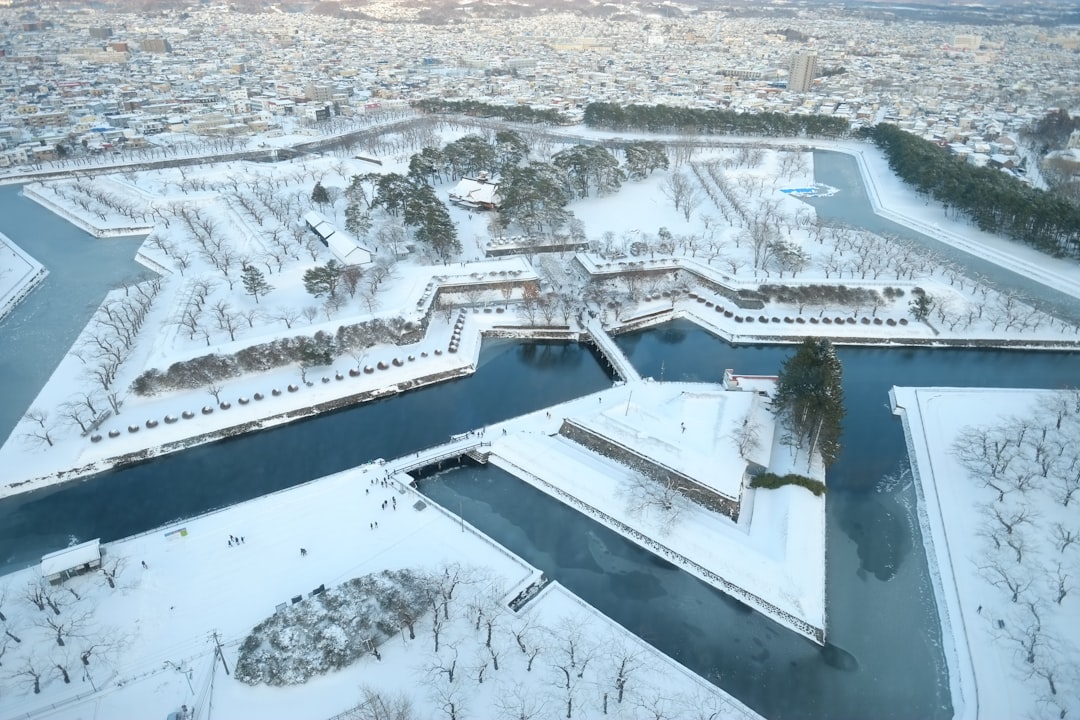
Hokkaido is Japan’s northernmost and second-largest island— roughly the size of Ireland— and it feels like a different country from Honshu. The landscape is dramatic, open, and agricultural in a way that has no parallel elsewhere in Japan: rolling dairy farms, vast wheat fields, lavender plains and some of the country’s most serious wilderness. Sapporo, the prefectural capital, is a city of 1.9 million people with real urban infrastructure; the rest of the island is rural to varying degrees.
Succeeding as an ALT in Japanese Schools
Hokkaido is mostly an ALT destination for TEFL teachers. The JET Programme has a large number of participants in the prefecture, including some of the most remote placements in the country: small fishing towns on the Sea of Okhotsk, and farming communities in the Tokachi plain and coastal villages near Cape Soya. These placements are perfect for teachers who want an immersive and authentic Japan experience in which English-speaking expats are not very prevalent and local integration is both important and gratifying.
Job Market
Sapporo is also a small but functional eikaiwa market with AEON, GABA and independent schools offering positions. The city also has Hokkaido University and a number of smaller universities with part-time English teaching positions, but those are also competitive and often require prior connections to Japan.
In Sapporo, the job market is almost entirely the ALT/JET ecosystem. Teachers interested in Hokkaido should apply to JET or dispatch companies (Interac, Heart, Altia Central) and be genuinely open to being placed anywhere in the prefecture, including very rural locations.
Living in Hokkaido
Hokkaido winters are serious. Sapporo gets around 6 metres of snow each year and rural areas can get much more. January temperatures in Sapporo are typically -4°C; in Asahikawa and inland areas -10°C to -20°C. Teachers need to budget for winter clothing and understand that many rural communities become truly isolated during heavy snowfall. On the flip side, Japanese buildings in Hokkaido are among the most heated in the country— double glazed windows and central heating systems are common in ways they are not further south.
Hokkaido’s summers are great: warm, dry, low humidity, long days and stunning views. That is when the prefecture completely earns its reputation as Japan’s great outdoors destination. Teachers with a car do a lot of cycling, hiking, camping and road-tripping.
Car necessity: Outside Sapporo, a car is strongly recommended and often essential. Rural placements may come with a school-owned or subsidised vehicle, but this varies by contracting organisation.
Heating costs: Winter utility bills can be large– ¥15,000–¥25,000/month is not unusual in colder months, roughly double Honshu norms.
Food culture: Hokkaido food is outstanding: fresh dairy, seafood, ramen, soup curry, Jingisukan (mutton barbecue). Sapporo has a genuine food culture that competes with any Japanese city.
Jobs in Japan: How to Get through the Japanese Winter
2. Tohoku
| Main Cities | Sendai, Aomori, Akita, Morioka, Yamagata, Fukushima |
| Climate | Humid continental; cold snowy winters on Sea of Japan side, milder Pacific side |
| Job Market | Limited — primarily JET/ALT; Sendai has small eikaiwa market |
| Avg. 1K Rent | ¥35,000–¥55,000 (Sendai); ¥15,000–¥30,000 (rural) |
| Key Employers | JET Programme, Interac, local BOE contracts |
| English Level | Low; minimal English infrastructure outside Sendai |
Overview
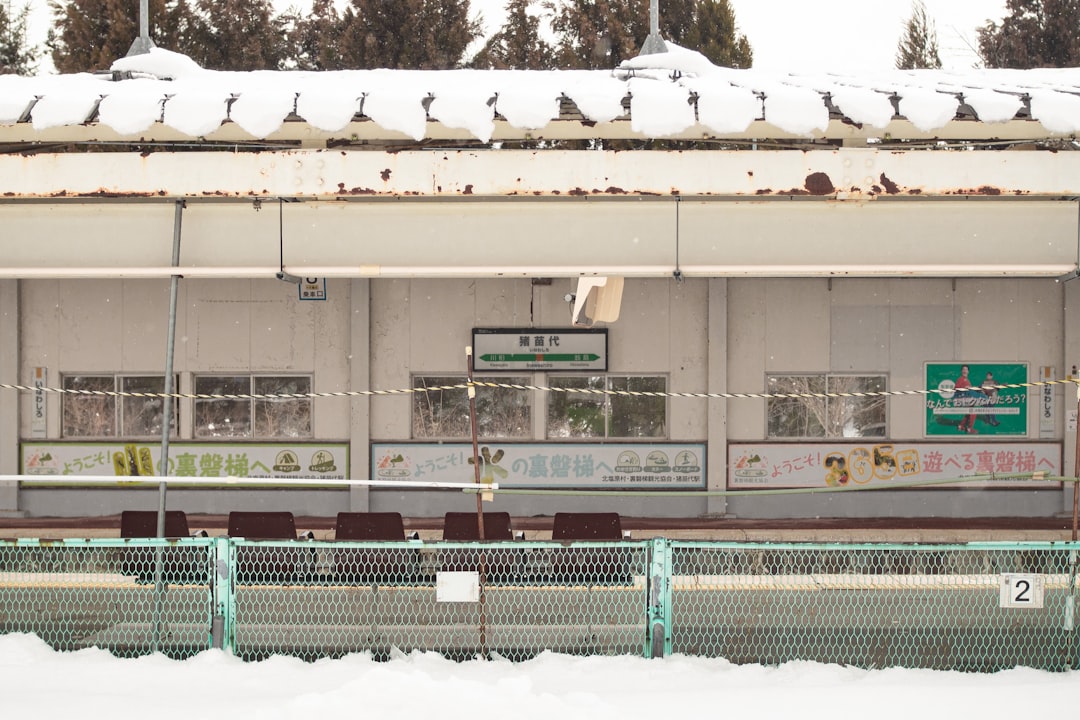
Tohoku— the six prefectures of northeastern Honshu— is the most rural and least internationally visible part of Japan’s major regions, and for that reason it’s also the most authentically Japanese. The region has historically been economically disadvantaged in comparison to the Pacific coast megalopolis and depopulation is a real phenomenon in many rural areas. The 2011 earthquake and tsunami devastated parts of Iwate, Miyagi and Fukushima prefectures, but the recovery has been uneven.
For TEFL teachers, Tohoku provides something that’s becoming increasingly difficult to find: a real and immersive Japan, without the tourists or the expat bubble. Teachers in Akita or Aomori are placed in communities where they may be the only foreigners at large distances, local curiosity is genuine and encouraging and language acquisition is made by necessity. It’s not the easiest place to be but teachers consider Tohoku placements as among the most meaningful experiences of their lives.
Job Market
Sendai, the regional capital, is a city of one million people with a functioning service economy and small eikaiwa population. Outside Sendai, the job market is almost exclusively the ALT ecosystem. Tohoku is a significant JET placement region and dispatch firms operate throughout the prefectures.
Tohoku is also noted for Board of Education (BOE) direct hire contracts, where teachers are directly employed by the municipal or prefectural education board rather than through a dispatch intermediary. These contracts generally provide better conditions— higher pay, more job security, and real employment benefits— but require the teacher to navigate the Japanese hiring process directly, usually with Japanese language ability being helpful if not mandatory.
Living in Tohoku
The cost of living is among the lowest in Japan. Rent in rural Tohoku is genuinely cheap— ¥15,000-¥25,000 for a full apartment is realistic in many cities. Food costs are low and quality high: the region is known for its rice (Akita komachi and Niigata koshihikari are Japan’s most prized varietals), seafood, sake production, and seasonal ingredients. Social challenge is isolation. Teachers in small Tohoku towns must be self-sufficient in terms of social life, comfortable with a lot of alone time, and ideally motivated to study Japanese. Those who embrace the local community— to go to neighbourhood events, to join local sports clubs (supokan or chiiki sports associations), to go to matsuri— will do well. Those who think city life is all about them will fail.
Winters: The Sea of Japan side of Tohoku (Akita, Yamagata western slopes) receives enormous snowfall— sometimes over Hokkaido. Pacific coast prefectures are milder but still cold.
Access: Shinkansen connectivity is good from Sendai (Tokyo in 90 minutes), which is good from Aomori and Morioka but not good for most rural placements. A car is standard.
Teaching English in Rural Japan: 5 Things That Caught Me Off Guard
Kanto — Tokyo and the Greater Metropolitan Area
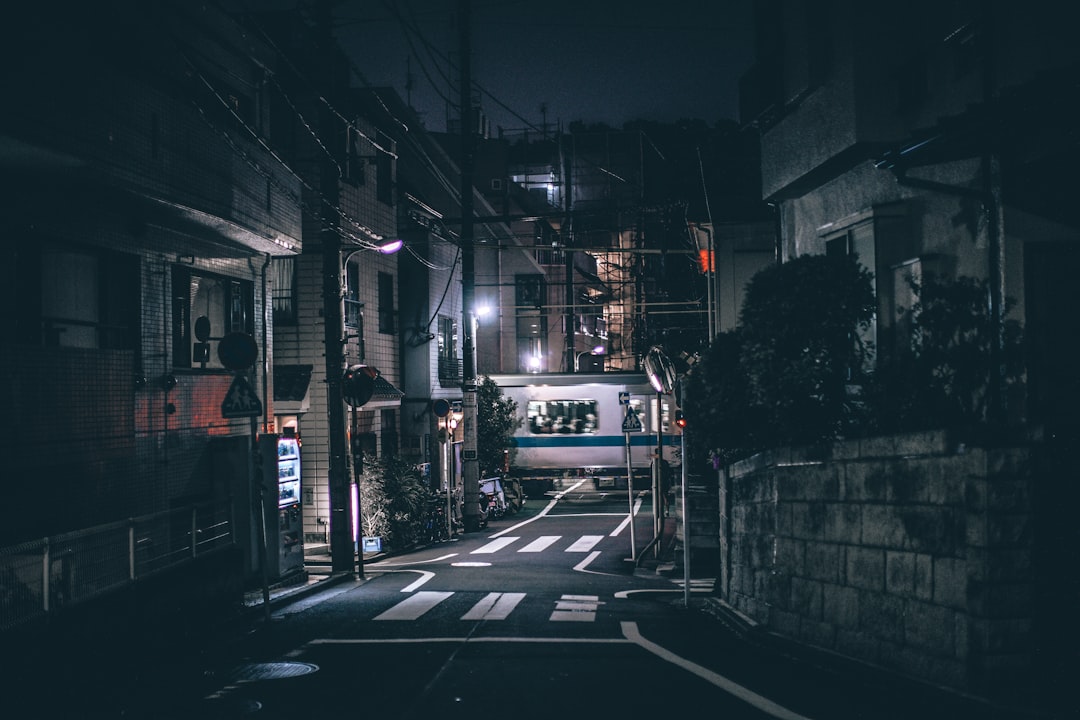
| Main Cities | Tokyo (23 Wards), Yokohama, Saitama, Chiba, Kawasaki, Tsukuba |
| Climate | Humid subtropical; hot humid summers, mild winters with occasional snow |
| Job Market | Excellent — the largest and most diverse English teaching market in Japan |
| Avg. 1K Rent | ¥65,000–¥95,000 (central Tokyo); ¥45,000–¥65,000 (greater Kanto) |
| Key Employers | NOVA, AEON, Berlitz, ECC, Gaba, private schools, universities, corporate English |
| English Level | Moderate in Tokyo; improving among younger demographics; strong in business districts |
Overview
The Kanto Plain, anchored by the Tokyo Metropolis, is the most densely populated region on earth and the largest urban agglomeration in the world by most measures. There are over 37 million people living in the Greater Tokyo Area. For English teaching that means a huge and diverse job market— more opportunities, more employer types, more career pathways and more specialisations than anywhere else in the country.
Tokyo is the default destination for most first-time TEFL teachers coming to Japan, and that is understandable: the infrastructure is world-class, the international community is huge, English resources are abundant, transport connectivity is unmatched, and the sheer density of professional opportunity means teachers with ambition can genuinely build careers rather than just passing through. The trade-off is cost, competition and the bizarre kind of alienation that large cities can produce even if they are technically full of people.
The Tokyo Job Market
Tokyo and the greater Kanto region are home to the full spectrum of English teaching opportunities in Japan:
- Eikaiwa chains: Shane, Berlitz, and Gaba all have extensive networks throughout greater Tokyo. These are the most common entry points for new arrivals without Japanese language ability or pre-existing connections.
- Conversation schools (Eikaiwa school): Smaller independent conversation schools exist throughout the city. Quality, conditions, and pay vary enormously; these often suit teachers who prefer small class sizes and flexible hours.
- Business English: Tokyo’s corporate English market is substantial. Companies like Berlitz, Shane English, and smaller specialist providers offer business English contracts. These typically pay better than standard eikaiwa and suit teachers with business backgrounds.
- University positions: Tokyo and surrounding Kanagawa, Saitama, and Chiba prefectures contain dozens of universities, including several top-tier institutions. Part-time and full-time positions are available, usually requiring MA-level qualifications.
- International schools: Tokyo has Japan’s largest concentration of international schools: British School in Tokyo, Tokyo International School, American School in Japan, Seisen International School, and many others. These offer the best salaries and conditions but require teaching qualifications (usually QTS or equivalent).
- ALT work: JET places ALTs in Tokyo-area schools, and dispatch companies operate throughout Kanto. Competition for urban placements is higher; applicants requesting Tokyo specifically may be waitlisted.
- Private tutoring: Tokyo’s density of English learners makes private tutoring viable as supplementary income. Rates of ¥3,000–¥8,000 per hour are achievable for experienced tutors.
Cost of Living in Japan for English Teachers
Living in Tokyo
Tokyo living is expensive relative to the rest of Japan but moderate by global world-city standards — cheaper than London, Sydney, Hong Kong, or Singapore on most metrics. The city’s scale means quality of life varies enormously by neighbourhood; teachers who land in lively, well-served areas like Shimokitazawa, Koenji, Sangenjaya, or Nakameguro have a very different experience from those in the more characterless outer suburbs.
Transport is Tokyo’s great plus. The train network is so comprehensive and reliable that proximity to a station matters far more than proximity to the city centre. Living 45 minutes from central Tokyo on a direct line is dramatically preferable to living 20 minutes away with a transfer. Most teachers commute on employer-provided passes and don’t pay for their daily journey.
Neighbourhood choice: This matters enormously. Research the ward, the nearest shopping street, the walk from the station, and the demographics of the area before committing to an apartment.
Kanagawa and Saitama: Many Tokyo workers live in neighbouring prefectures — Yokohama, Kawasaki, Omiya — for lower rents while commuting into the city. This is a common teacher strategy and often reduces rent by ¥15,000–¥25,000/month.
Social life: Tokyo has large English-speaking expat infrastructure: meetup groups, international clubs, English-language events, international bars and restaurants. The social life is rich but can create a bubble that slows Japanese acquisition.
How to Apply for English Teaching Jobs in Japan: The Complete Guide
Subscribe to the EFL Magazine Newsletter