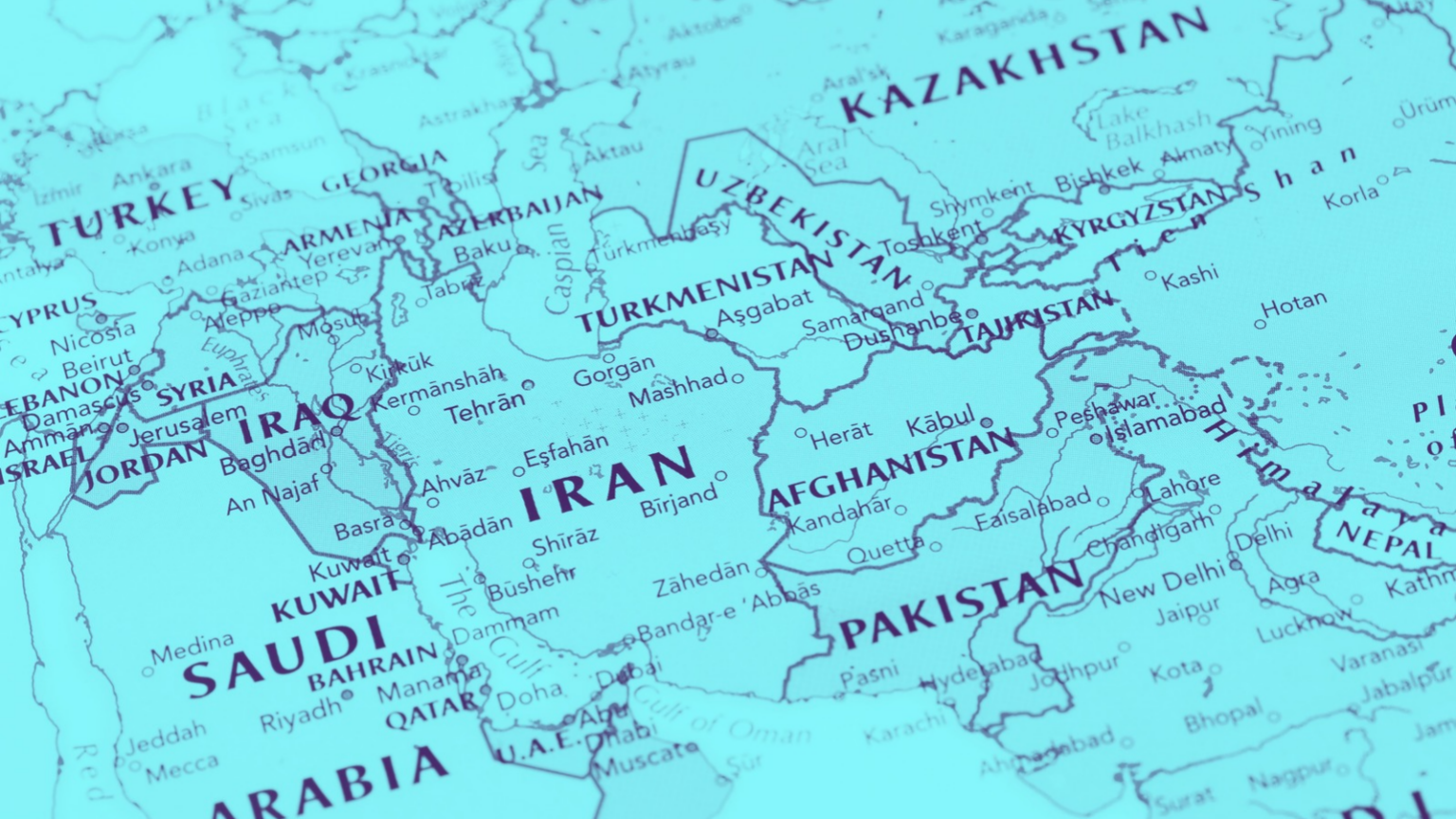
Central Asia rarely makes anyone’s shortlist when they first think about Teaching English abroad — Japan, Korea, Spain, and Thailand usually come up first. But three of the industry’s biggest providers all pointed to the same quiet trend: Kazakhstan, Uzbekistan, and Kyrgyzstan are becoming some of the most interesting places to actually be a TEFL teacher right now, precisely because so few people are looking there yet.
Why providers are paying attention
Ian O’Sullivan, who owns both TEFL Institute and Premier TEFL, named Central Asia directly as one of the regions his companies are seeing real growth in, alongside Uzbekistan and Kazakhstan specifically. It’s enough of a priority that TEFL Institute runs a dedicated joint course for the region: two weeks of live, in-person classes as part of its Ofqual-regulated Level 5 qualification, followed by six months of online study. That’s a different structure from the fully online options aimed at teachers heading to, say, Spain or Vietnam — a sign of how seriously the company treats the region’s specific requirements.
Oxford Seminars, meanwhile, has long listed Kyrgyzstan among its tracked destinations, with a full country profile on its site covering salary bands, savings potential, and local requirements. And in conversation, founder Radu Olanson read out a graduate testimonial about Kyrgyzstan that stuck with him: a teacher who said they’d never have considered the country without their provider’s job placement service, and who ended up calling it one of the best places in the world for a new teacher to start out, strong curriculum and all, despite living through both COVID and the 2020 Kyrgyz revolution during their contract.
The country-by-country picture
The three Central Asian countries that come up most — Kazakhstan, Uzbekistan, and Kyrgyzstan — differ enough from each other that lumping them together as a single “destination” undersells the decision involved.

Kazakhstan
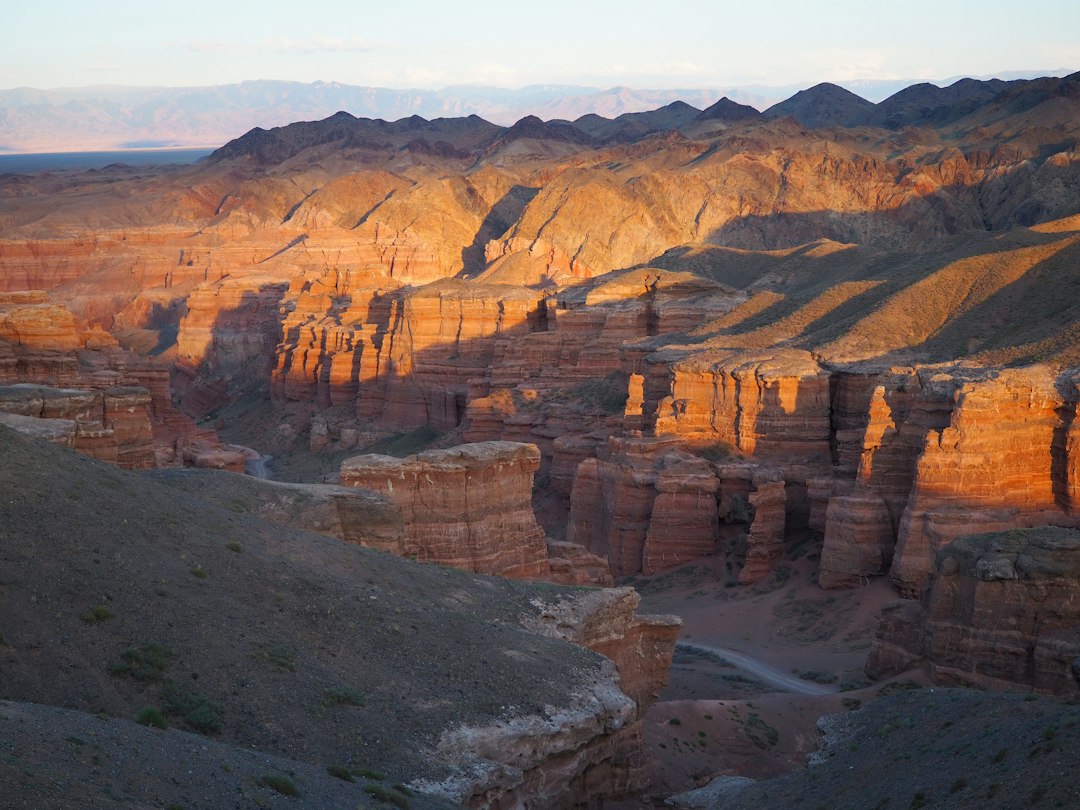
Kazakhstan is the outlier for pay. Teachers there can expect to earn significantly more than almost anywhere else in the wider Eurasia region — TEFL Institute’s own market data puts international school positions in Astana and Almaty in the $3,500–$5,000 monthly range once benefits like flights, housing, and insurance are factored in, a package that starts to resemble what’s on offer in the Gulf states. The trade-off is that Kazakhstan is also the most credential-strict market in the region: a bachelor’s degree is effectively required, two or more years of prior teaching experience is strongly preferred for the better-paying international school roles, and a Level 5 TEFL Diploma (the 180-hour, Ofqual-regulated qualification) carries real weight with employers, adding a reported $200–$800 a month over what a basic 120-hour certificate holder could expect. This is not generally a country for first-time English teachers
Uzbekistan
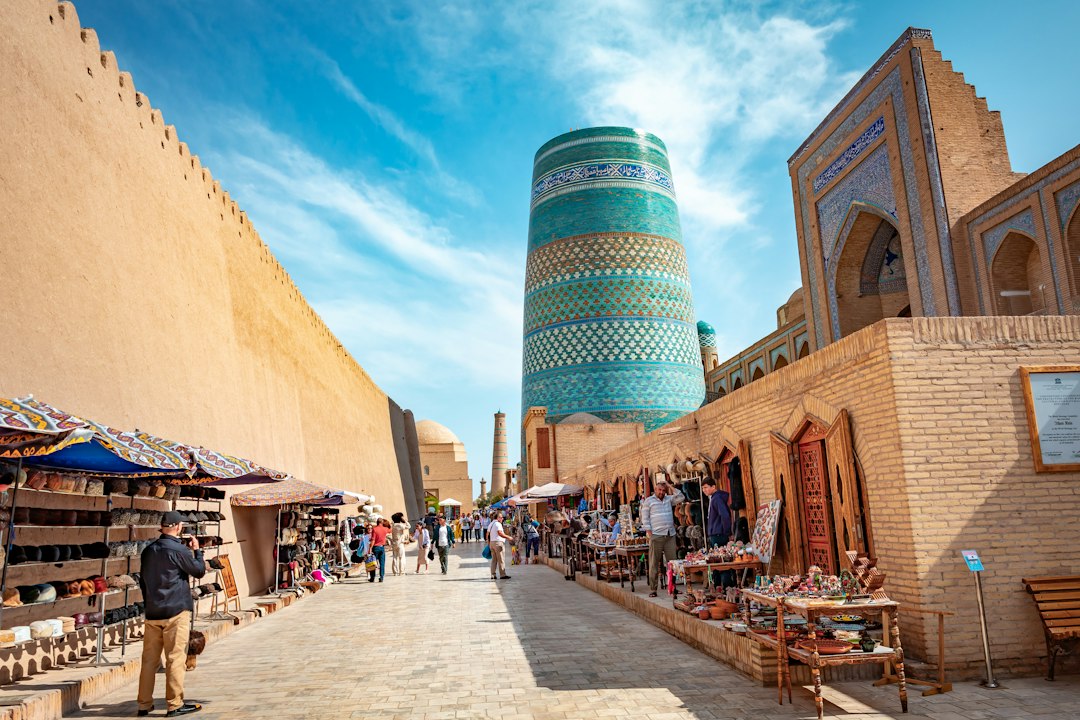
Uzbekistan sits at the more accessible end. Both TEFL Institute and Premier TEFL run dedicated Tashkent-based course options — Premier TEFL’s local page points students toward its 180-hour accredited online Level 5 Diploma with personal tutor support — and Uzbekistan has, in recent years, opened up considerably to foreign teachers as part of a government-backed push to raise English standards nationally, including hiring programmes run directly through the Ministry of Preschool and School Education that place teachers in public secondary schools in cities like Tashkent and Samarkand.
A 120-hour TEFL certificate is generally sufficient for private language school work, though the government and international school routes increasingly ask for a Level 5 Diploma, and sometimes a degree. Pay is modest by Western standards (roughly $500–$1,200 a month depending on the position) but goes a long way against an ultra-low cost of living, and the country’s Silk Road cities — Tashkent, Samarkand, Bukhara — give it a cultural draw that’s hard to match elsewhere in the region.
Kyrgyzstan
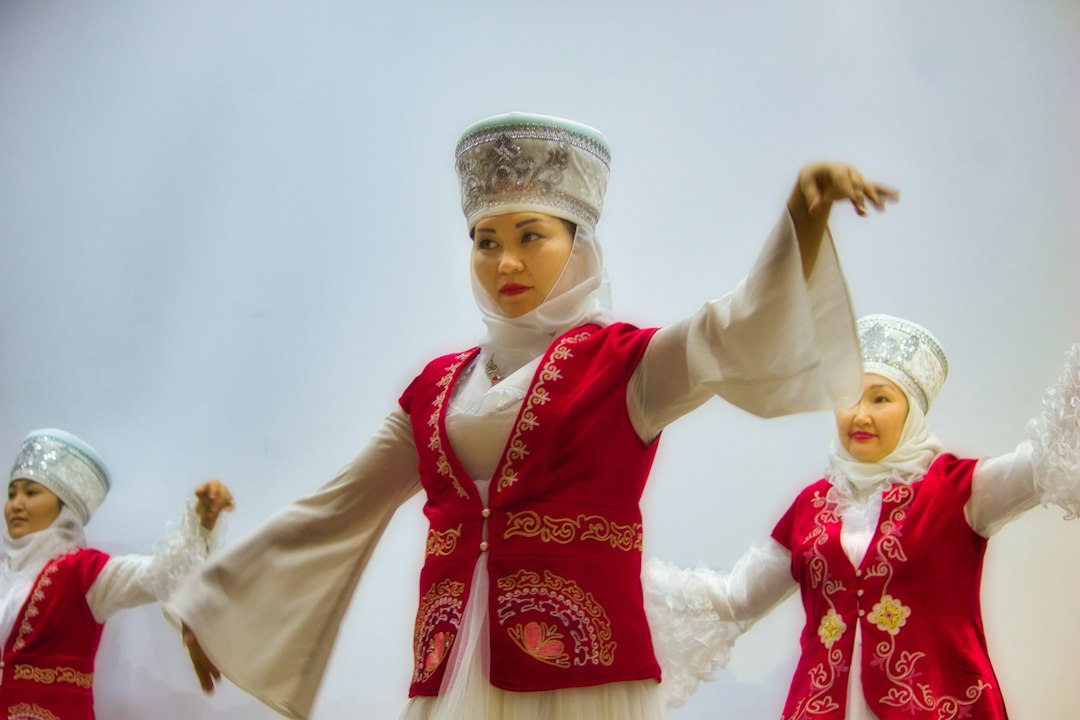
Kyrgyzstan is the adventure-and-value pick. Oxford Seminars’ own country data lists typical monthly salaries in the $380–$1,000 range, most positions concentrated in the capital, Bishkek, and the country is frequently nicknamed the “Switzerland of Central Asia” for its mountain scenery — a label that comes up often enough in teacher accounts that it’s become something of an industry shorthand. Requirements are relatively light: no degree is formally required by most providers’ standards, though Oxford Seminars’ own listings note that a degree and prior teaching experience are commonly preferred by employers even where not strictly mandated. The appeal here leans heavily on lifestyle and savings-to-cost ratio rather than headline salary — teachers report living comfortably and still banking a few hundred dollars a month against costs that run as low as $300–$500 for rent and essentials in Bishkek.
Recommended TEFL Courses
The TEFL Institute of Ireland
Gain internationally recognised TEFL certification, practical teaching skills, expert support, and the confidence to start your teaching journey anywhere.
Premier TEFL
Get qualified with flexible TEFL training, practical resources, expert guidance, and the confidence to teach English and explore opportunities worldwide.
The TEFL Institute
Get TEFL certified, gain practical teaching skills, and turn your qualification into opportunities to teach, travel, work, and experience life abroad.
Oxford Seminars

Turn your dream of teaching abroad into reality with practical training, and the confidence to begin your international adventure.
What to actually prepare for
A few practical threads run through what both companies’ own country guides and the interview material flagged, and they’re worth taking seriously before committing to the region.
Degree
Degree and document authentication can be more involved than in better-established TEFL markets — Kazakhstan and Uzbekistan in particular sometimes require embassy-authenticated degree copies and clean criminal background checks as a condition of the work visa, a step that can add weeks to the process if it’s left until the last minute. Housing and flight support vary considerably by employer and aren’t the near-universal default they are in, say, Korea: some Uzbekistan positions include free private housing and flight reimbursement as part of a push to attract foreign teachers, while Kazakhstan and Kyrgyzstan treat this allowance as something to confirm per contract rather than assume.
Lingua franca
Russian functions as the practical lingua franca across much of the post-Soviet region — more useful day to day in Kazakhstan, Kyrgyzstan, and Uzbekistan than the national language itself for a newly arrived foreign teacher, which is a different linguistic landscape from, say, Southeast Asia. And cultural adaptation is generally described as more significant than in Western Europe or the more established Asian TEFL markets: more traditional social norms, smaller expat communities, and patchier amenities outside the capital cities, balanced against what teachers consistently describe as genuine hospitality once initial barriers come down.
It’s also worth noting what the region isn’t: unlike China, which Ian O’Sullivan specifically flagged as a market his companies have deliberately avoided after some teachers ran into visa-related legal trouble working on the wrong visa category, Central Asia hasn’t thrown up that particular red flag in any of the provider material reviewed here. That’s not nothing, given how central the “is this actually safe and above-board” question is to choosing where to teach.
The bottom line
Central Asia won’t suit everyone — it asks more of first-time teachers in terms of paperwork, cultural adjustment, and patience with smaller support networks than the well-worn TEFL circuits in East Asia or Western Europe. But for teachers who want genuine novelty, a currently underserved job market, and either serious earning potential (Kazakhstan) or an extraordinarily favourable cost of living (Kyrgyzstan, Uzbekistan), it’s a region that three separate, independently run TEFL providers are all quietly steering more attention toward — not as a fad destination, but as a market they’re building dedicated courses and country infrastructure around.
Subscribe to the EFL Magazine Newsletter