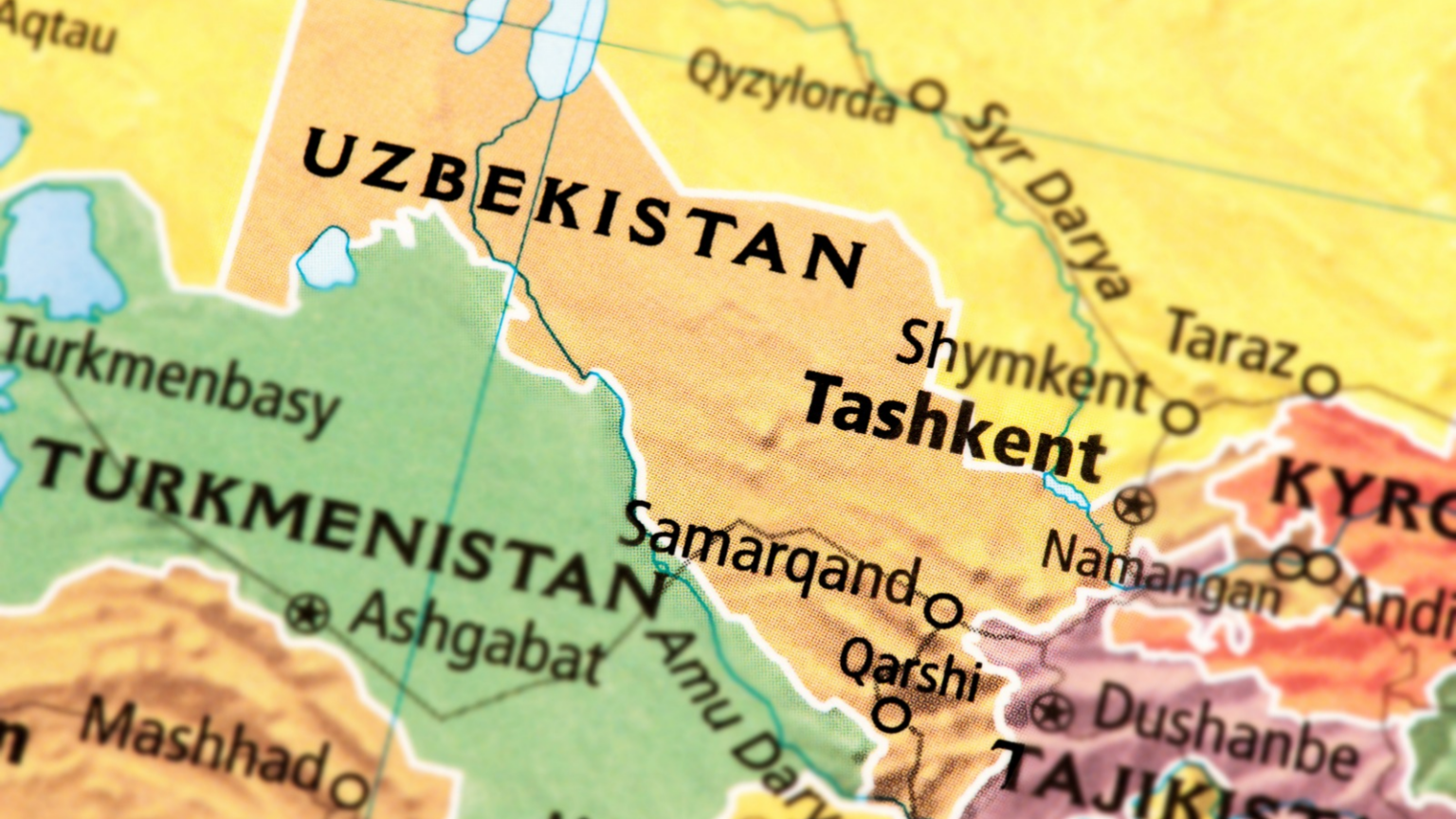
Teaching English in Uzbekistan is becoming an increasingly interesting choice for English teachers looking to work in Central Asia. The country has made improving English-language education a priority, and the government has been actively recruiting foreign teachers to help raise standards in its schools.
There is something slightly different about the opportunities here, though. Unlike many TEFL destinations, where most foreign teachers follow a fairly similar route into employment, Uzbekistan has two quite separate markets. You can apply for a position through the government’s national recruitment programme or look for work in the more familiar private language-school sector.
The difference between the two is considerable, particularly when it comes to salaries and the potential to save money. If you’re thinking about teaching in Uzbekistan, it’s worth understanding how both work before deciding which route to take.
Two different teaching markets
It’s easy to talk about teaching English in Uzbekistan as though all jobs offer roughly the same experience. They don’t. In fact, there is quite a big difference between working for the government and finding a position independently.

Teaching English in Central Asia: What You Need to Know
The government recruitment programme
Since 2023, Uzbekistan’s Ministry of Preschool and School Education (MoPSE) has been recruiting foreign English teachers to work in public secondary schools across the country.
The programme is part of a wider effort to improve English-language education, and the employment packages are surprisingly attractive by Central Asian standards.
Current recruitment listings advertise salaries of between $1,500 and $3,500 per month, depending on qualifications and experience. That’s considerably more than teachers can generally expect to earn in the private language-school market.
There are some useful extras, too. The packages typically include furnished accommodation, reimbursement of return flights, visa and registration assistance, and medical insurance.
Teachers are usually placed in secondary schools, working with students in grades 7–11. The teaching commitment is around 20 classroom hours a week, with another eight hours or so devoted to extracurricular activities. You’ll also have a local assistant teacher working alongside you in the classroom.
Contracts generally follow the academic year, running from September until May or June, with the possibility of renewal.
One interesting aspect of the programme is that placements aren’t restricted to Tashkent. Teachers are recruited for schools throughout Uzbekistan, so if you’re happy to live in a smaller city, you could find yourself experiencing a rather different side of the country.
Teaching English in Kazakhstan – The Complete Guide
Working in the private sector
The alternative is to look for work in the private TEFL market.
This includes private language schools, international schools, universities and private tutoring. It’s a more familiar route for anyone who has taught abroad before, but the financial rewards are considerably more modest.
Recent TEFL industry reviews put typical private-sector salaries at around €500–€1,000 per month. That’s generally enough to live on locally, but it is a long way from the salaries advertised through the government programme.
There are ways to supplement your income. Business English and private tutoring can pay better than general language-school work, particularly in Tashkent, where there is a growing business and expatriate community. The difficulty is building up a reliable group of students, which can take some time.
If you meet the requirements, I’d certainly recommend investigating the MoPSE programme before accepting a conventional language-school position. The difference in the overall package is too significant to overlook.
Teaching English in Kyrgyzstan: A Guide for TEFL Teachers
What qualifications do you need?
The government programme has fairly clear requirements, and you’ll need to meet them before applying.
Generally, applicants need:
- A recognised CELTA, TESOL or TEFL certificate of at least 120 hours.
- A bachelor’s degree.
- At least one year of English teaching experience.
- A clean criminal background check.
- Two professional references.
The experience requirement is worth paying particular attention to. Some TEFL destinations are quite happy to take on newly qualified teachers, but the MoPSE programme expects applicants to have at least a year’s classroom experience. This is a genuine requirement rather than something that can easily be overlooked.
The private sector is a little more flexible. Some language schools and tutoring employers will consider teachers who have a degree and a 120-hour TEFL certificate, even if they haven’t taught before.
So, if you’ve just completed your TEFL course, don’t necessarily rule out Uzbekistan. You may simply need to look beyond the government programme when searching for your first position.
If you’re still deciding which qualification to take, have a look at our recommended TEFL courses.
Recommended TEFL Courses
The TEFL Institute of Ireland

Gain internationally recognised TEFL certification, practical teaching skills, expert support, and the confidence to start your teaching journey anywhere.
Premier TEFL
Get qualified with flexible TEFL training, practical resources, expert guidance, and the confidence to teach English and explore opportunities worldwide.
The TEFL Institute

Get TEFL certified, gain practical teaching skills, and turn your qualification into opportunities to teach, travel, work, and experience life abroad.
Oxford Seminars

Turn your dream of teaching abroad into reality with practical training, and the confidence to begin your international adventure.
Visa and work permit requirements
Uzbekistan has a fairly formal system for employing foreign teachers. As in Kazakhstan, the employer is responsible for arranging the main work authorisation, so you’ll normally need to have a job offer before starting the process.
There are several stages:
- Labour market approval: The employer obtains confirmation that the position requires a foreign worker rather than a local candidate.
- Work permit: The employer applies for a work permit, known locally as a Razresheniye na Rabotu, through the relevant employment authorities.
- Contract registration: Your employment contract is registered with the Agency for External Labor Migration.
- Work visa: Once the permit has been approved, you obtain the appropriate work visa, either through an Uzbek consulate abroad or, in certain circumstances, by changing your immigration status within Uzbekistan.
If you’re joining the MoPSE programme, much of this is taken care of for you. That’s one of its advantages, particularly if you’re unfamiliar with the country’s immigration procedures.
For teachers arranging their own private-sector employment, there is a little more to think about. Smaller employers may have less experience dealing with foreign hires, so it’s worth establishing exactly who will handle the paperwork.
Allow plenty of time, too. The process can take several weeks and sometimes a couple of months, so don’t leave it until just before you’re due to start work.
Where can you find teaching jobs?
There are opportunities throughout Uzbekistan, although the type of work available depends on where you decide to live.
Public secondary schools
The MoPSE programme recruits teachers for public schools across the country. This is where the most attractive financial packages are generally found, and it is a genuine option for teachers who are prepared to live outside the capital.
Private and international schools
Tashkent has the largest concentration of private and international schools. Some follow overseas curricula and employ foreign teachers to teach a range of subjects in English, rather than English language classes alone.
These positions may require additional teaching qualifications and previous classroom experience.
Universities and colleges
There are opportunities to teach English for Academic Purposes and English for Specific Purposes in university language departments. These roles are generally more suitable for experienced teachers, particularly those with an academic background.
Private tutoring
Private tutoring is worth considering, especially in Tashkent. The city’s business and expatriate communities create demand for general English and business communication lessons.
It can be a useful way to earn extra money, although building up a regular client base takes time. I wouldn’t recommend relying on private tutoring as your main source of income when first arriving in the country.
Cost of living and salary expectations
Tashkent is reasonably affordable compared with many international cities, although it isn’t the cheapest capital in Central Asia. It’s generally more expensive than Bishkek but considerably cheaper than Almaty.
One thing that can make a difference to your budget is accommodation. There is quite a gap between older, unfurnished local apartments and the furnished accommodation that many foreign teachers prefer.
Apartments in areas such as Chilanzar and Mirabad can be noticeably more expensive, particularly if you’re looking for somewhere furnished and ready to move into.
Cost of living in Tashkent
| Item | Monthly estimate |
|---|---|
| Government programme salary | $1,500–$3,500 |
| Private language centre / tutoring salary | €500–€1,000 |
| Furnished one-bedroom apartment | $600–$1,000 |
| Unfurnished local apartment | $300–$700 |
| Comfortable monthly budget, single person | $1,250–$1,938 |
| Local professional average salary | $400–$800 |
Government programme salaries include accommodation, flights, visa support and insurance, according to current recruitment listings.
How much can you save teaching English in Uzbekistan?
This is where the difference between the two employment routes really becomes apparent.
If you secure a position through the government programme, the financial picture is very attractive. With a salary of $1,500–$3,500 and accommodation and other major expenses covered, you’ll have a much better opportunity to put money aside than you would in most conventional TEFL positions in the region.
It’s an unusual combination: a competitive salary and a relatively affordable place to live.
The private sector is a different proposition. On €500–€1,000 a month, you’ll need to keep a close eye on your spending, particularly if you’re renting your own apartment in Tashkent. You should be able to enjoy a reasonable lifestyle, but substantial savings are less likely.
If making money is high on your list of reasons for teaching abroad, the government programme is clearly the one to investigate first.
Choosing the right employer
As with any overseas teaching job, it’s important to know who you’re working for before signing a contract.
In Uzbekistan, this is particularly important because the difference between the government programme and an ordinary private-sector position is so large. Don’t assume that a job offering an attractive salary is necessarily part of the official recruitment scheme.
Check the recruiter’s background and ask for details of previous placements. If possible, speak to teachers who have already worked through the organisation.
It’s also worth going through your contract carefully. Make sure the salary, accommodation arrangements, flights, insurance and visa costs are all clearly explained.
This is advice that came up in our earlier Oxford Seminars interview with Rowan Lomas. Checking an employer’s history and finding out whether previous teachers were actually paid and housed as promised can save a lot of trouble later.
An established recruiter with a verifiable record of placing teachers through the MoPSE programme is likely to be a safer starting point than an unfamiliar agency or private-school advertisement.
Is Uzbekistan a good place to teach English?
Uzbekistan has a lot going for it, particularly if you already have some teaching experience.
The government is investing in English-language education, there is a genuine demand for foreign teachers, and the national recruitment programme offers some very attractive employment packages.
However, it’s important to go in with a clear idea of which part of the market you’re entering.
If you have a bachelor’s degree, a recognised TEFL qualification and at least one year of teaching experience, the government programme is well worth investigating. The salary and benefits make it one of the more appealing opportunities currently available in Central Asia.
If you’re a newly qualified teacher without experience, the private sector may be a better starting point. Just remember that salaries are considerably lower, and you’ll need to budget accordingly.
Our verdict on teaching English in Uzbekistan:
Uzbekistan is one of the more interesting financial opportunities in Central Asian TEFL at the moment. For teachers who meet the requirements, the government programme offers a particularly attractive combination of salary, accommodation and employment support.
It isn’t necessarily the easiest route for someone taking their first steps into teaching abroad, but if you have a year’s experience under your belt, it deserves a place near the top of your list.
And if you’re willing to look beyond Tashkent, you may find that living and working in one of the country’s smaller cities is an experience in itself.
Figures and information in this guide are drawn from current MoPSE-linked recruitment listings (Teach Away, GoOverseas, Teast and The TEFL Academy), TEFL Institute of Ireland’s Uzbekistan guide, Uzbekistan’s labour and work-permit framework, employer immigration guidance from Rivermate and HelloPell, and cost-of-living information from CostLiving and Times of Central Asia’s Numbeo-based regional reporting.
Government recruitment packages, salary bands and visa processing times can change as the programme develops. Always confirm the latest requirements and employment terms directly with the recruiter or agency before accepting a contract.
Subscribe to the EFL Magazine Newsletter