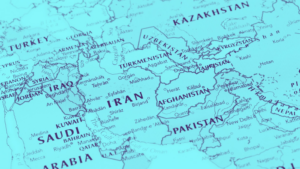
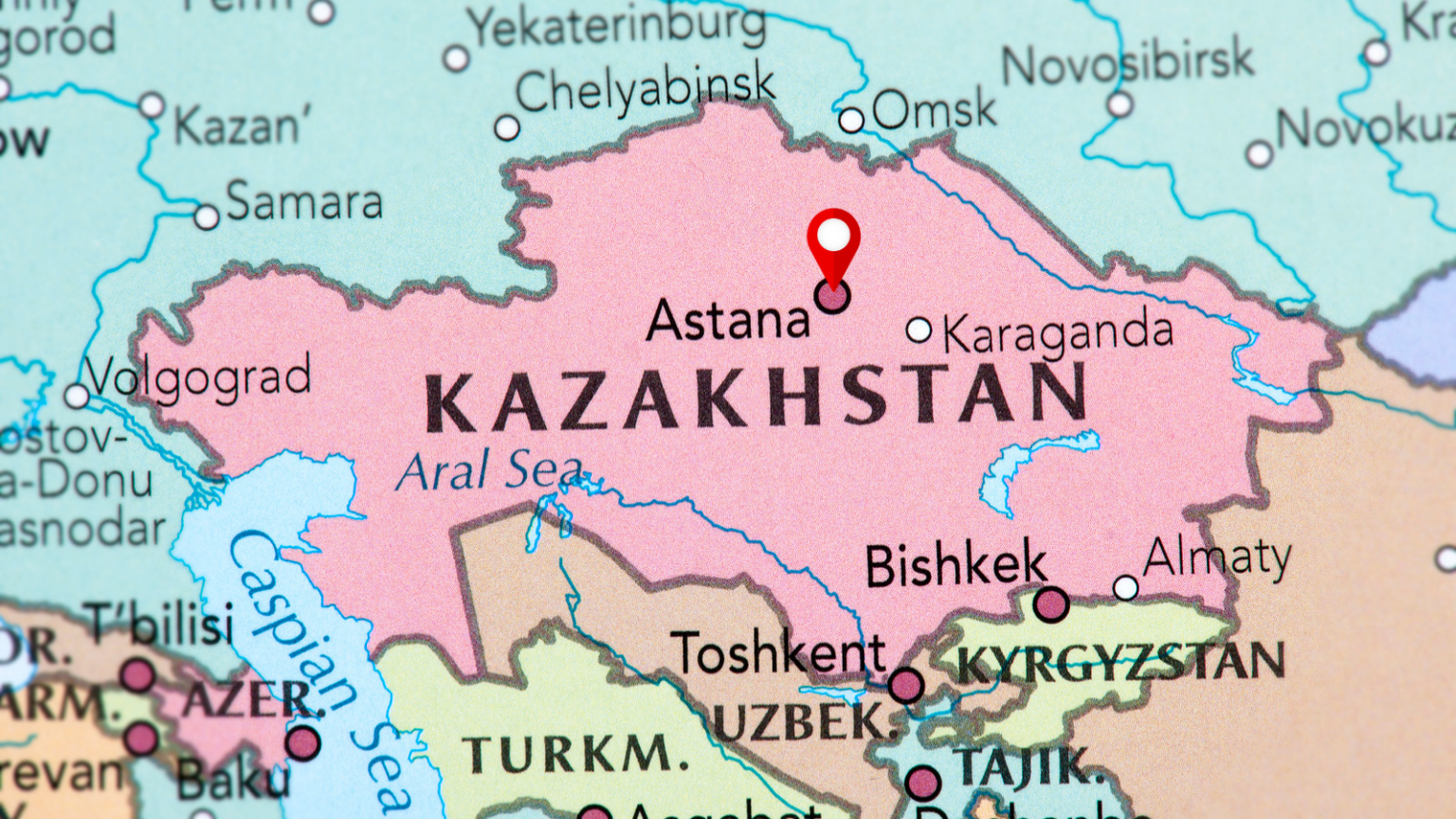
Teaching English in Kazakhstan doesn’t get the attention Southeast Asia or the Gulf states do in TEFL circles, but it’s quietly become one of the more structured, serious markets in the region — a function of deliberate government policy rather than organic expat drift. The country has spent the last decade pushing trilingual education (Kazakh, Russian, English) as a strategic priority, and that has translated into real, sustained demand for qualified English teachers, alongside entry requirements that have tightened enough to filter out the market’s more casual end.
Why Kazakhstan, and why now
The trilingual education policy is the backbone of everything else in this guide. Kazakhstan’s government has set targets for English proficiency across its school system, and the country’s flagship project — the Nazarbayev Intellectual Schools network — exists specifically to produce trilingual graduates capable of competing internationally. That creates two distinct tiers of demand: a broad base of private language-school and young-learner work in Almaty and Astana aimed at general proficiency and exam preparation, and a smaller, better-paid tier of positions at prestigious schools and universities that expect a genuine teaching background, not just a TEFL certificate.
Teaching English in Central Asia: What You Need to Know
IELTS and other exam preparation is, by most accounts, the single biggest category of work. Kazakhstan’s growing outbound student population — families sending children to study in the UK, the US, or elsewhere — has created steady demand for exam-focused tutoring that pays noticeably better than general conversation classes.

Visa and legal requirements
This is the area where Kazakhstan is stricter than most Southeast Asian or even some Central European markets, and it’s worth understanding in detail before committing to a job offer.
The C3 work visa is the standard route for foreign teachers. It’s an employer-sponsored, multiple-entry visa tied to the duration of your work permit, issued for up to three years at a time (though most first contracts will be shorter). Critically, the process runs through your employer, not you directly
- Your employer applies for a work permit on your behalf, which requires them to register with Kazakhstan’s immigration authorities and demonstrate the role genuinely requires a foreign hire.
- Once the work permit is approved, your employer obtains an invitation letter approved by Kazakhstan’s Immigration Department.
- You take that invitation letter to a Kazakh consulate in your home country to have the C3 visa issued, or in some cases convert an existing visa to C3 status once already in the country.
- 4. On arrival, there’s a registration requirement with local migration authorities, and any address change or departure from the country needs to be reported.
A multiple-entry C3 valid up to three years currently costs in the region of $600 at some consulates, though this is a fee your employer will typically either cover or reimburse as part of a standard contract — if a job offer doesn’t mention who pays for visa costs, ask before accepting.
The degree requirement is non-negotiable. Unlike several of its neighbours, Kazakhstan has made a bachelor’s degree a legal condition of the work permit, not simply something employers prefer. If you don’t hold a four-year degree, Kazakhstan is very likely off the table regardless of your TEFL certification or experience.
Where the jobs are
- Private language schools (Almaty, Astana): the broadest entry point, covering general English, young learners, and exam preparation. Typical pay: 220,000–650,000 KZT ($475–$1,400) a month.
- IELTS/exam preparation centres: often the best-paying private-sector work for a TEFL-qualified teacher without a teaching licence, given how much Kazakh families are willing to spend on study-abroad preparation.
- Nazarbayev Intellectual Schools and similar elite institutions: the top tier, paying up to roughly $4,000 a month, but generally requiring a recognised teaching qualification and experience beyond a standalone TEFL certificate.
- Universities: English-for-academic-purposes and general English lecturing roles exist, usually requiring a master’s degree or substantial experience.
- Regional cities (Shymkent, Karaganda, Kyzylorda): less competitive for jobs, correspondingly lower pay, but also considerably lower cost of living than Almaty — worth considering for a first contract if an Almaty-specific position doesn’t come through.
Recommended TEFL Courses
The TEFL Institute of Ireland
Gain internationally recognised TEFL certification, practical teaching skills, expert support, and the confidence to start your teaching journey anywhere.
Premier TEFL
Get qualified with flexible TEFL training, practical resources, expert guidance, and the confidence to teach English and explore opportunities worldwide.
The TEFL Institute
Get TEFL certified, gain practical teaching skills, and turn your qualification into opportunities to teach, travel, work, and experience life abroad.
Oxford Seminars

Turn your dream of teaching abroad into reality with practical training, and the confidence to begin your international adventure.
Cost of living and savings potential
Almaty is, by a clear margin, the most expensive city in Central Asia on Numbeo’s regional cost-of-living index — more expensive than Astana, Tashkent, or Bishkek. That matters for how far a given salary actually stretches.
Cost and savings snapshot — Almaty & Astana
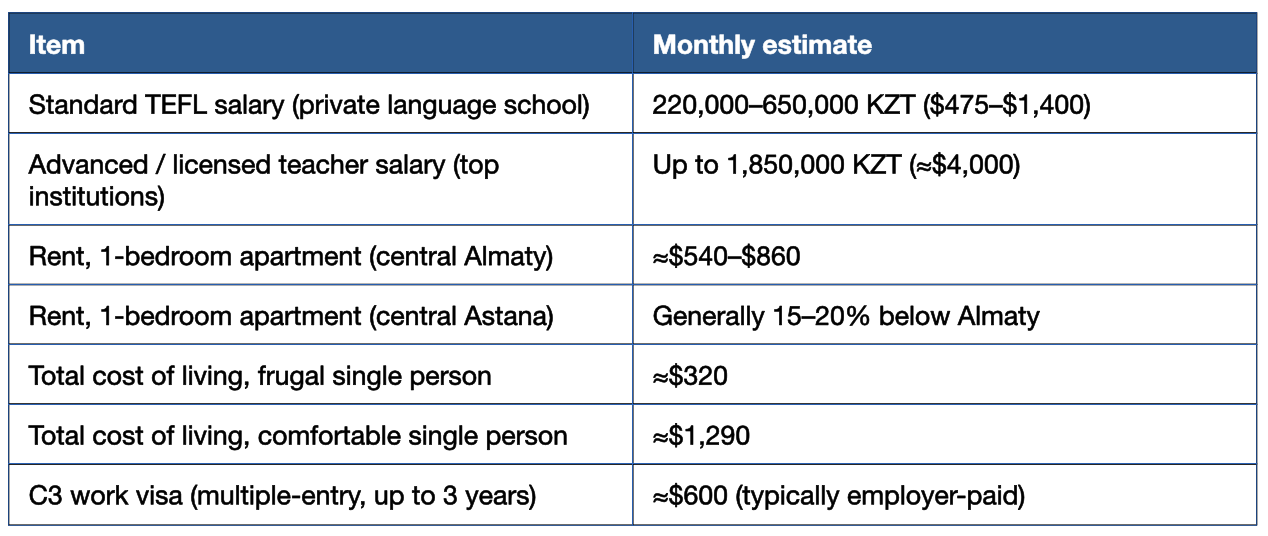
The practical reality: at the bottom of the standard salary range, Almaty uses up most of a teacher’s income on rent alone. Most legitimate job listings, though, bundle in free or subsidised housing, flight reimbursement, and visa costs — one recruiter listing for Astana quoted an after-tax salary of $1,000–$1,200 a month with free single accommodation included, which is a meaningfully better deal than the bare salary figure suggests. Always ask what’s included before comparing offers by salary number alone. Astana, as the newer, more purpose-built capital, runs somewhat cheaper than Almaty across most categories while still offering comparable job opportunities, particularly given the concentration of government-linked schools there.
Practical notes
Kazakhstan’s visa process, run through your employer rather than independently, means job security and employer legitimacy matter more here than in markets where teachers often arrive on a tourist visa and sort out paperwork locally. This is where Rowan Lomas’s job-placement vetting criteria from our earlier interview — checking an employer’s history, contract compliance, and whether past hires were actually paid and housed as promised — is worth applying directly: with a three-year visa tied to one employer, a bad placement is a bigger problem in Kazakhstan than in a market with more informal arrangements.
Verdict: Kazakhstan suits a teacher who already holds a genuine degree, wants the structure and legal clarity of a properly sponsored visa, and is either comfortable with Almaty’s higher costs or willing to consider Astana or a regional city. It is not the market for someone looking to arrive casually and figure out the details locally — the visa process doesn’t really allow for that.
Figures above are drawn from Kazakhstan’s official C3 visa requirements (gov.kz, Kazakh consular sources, Rivermate’s employer immigration guides), Numbeo-sourced cost-of-living rankings reported via Times of Central Asia and Orda.kz, about-kazakhstan.com’s 2026 expat cost breakdowns, TEFL qualification and course guidance from Oxford Seminars, Premier TEFL, and The TEFL Institute, and current recruiter job listings. Visa rules and fees change; verify current requirements with a Kazakh consulate or your prospective employer before committing.
Subscribe to the EFL Magazine Newsletter