
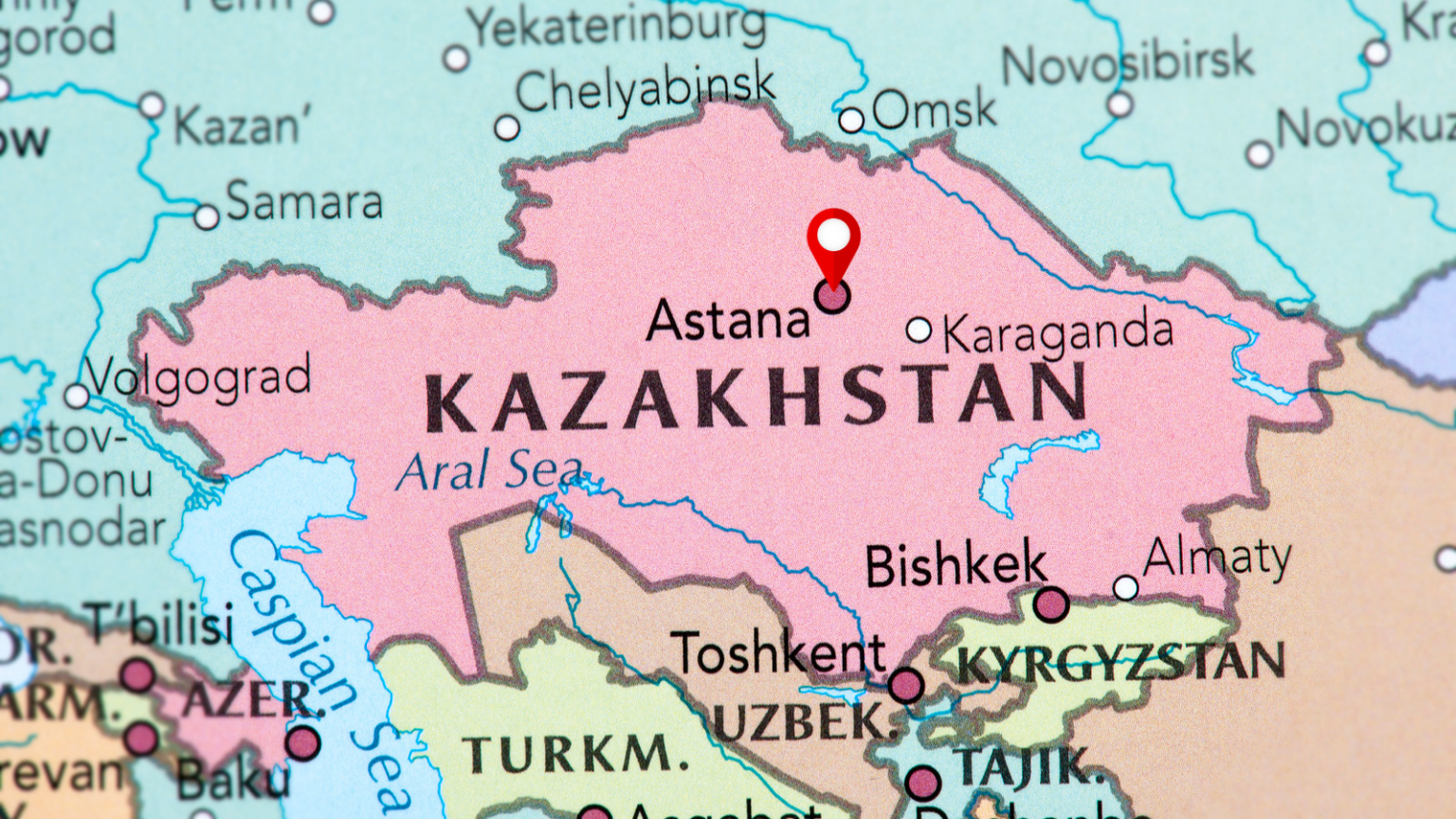
Kazakhstan is not always the first country that comes to mind when people think about teaching English abroad. Southeast Asia and the Gulf states tend to attract more attention, but Kazakhstan has quietly developed into one of the more interesting teaching markets in Central Asia.
The country has made English-language education a national priority, with a particular focus on developing a population that can communicate in Kazakh, Russian and English. This has created a steady demand for English teachers, particularly in private language schools, international schools and universities.
There are opportunities for newly qualified TEFL teachers, as well as more experienced teachers looking for better-paid positions. However, Kazakhstan is not the easiest country to move to on a whim. Its work visa requirements are relatively strict, and there are some important qualifications you will need before applying.
If you are considering teaching in Central Asia, Kazakhstan is certainly worth a closer look.

Read our guide to teaching English in Central Asia.
Why teach English in Kazakhstan?
One of the main reasons Kazakhstan has become an attractive destination for English teachers is the government’s commitment to trilingual education.
The country’s education policy places considerable emphasis on developing proficiency in Kazakh, Russian and English. The aim is to give students the language skills they need to participate in an increasingly international economy.
An important part of this strategy is the Nazarbayev Intellectual Schools network. These schools were established to provide a high standard of education and develop students who can compete internationally.
For foreign English teachers, this has created opportunities in several areas of education.
Private language schools provide much of the general demand, particularly in the larger cities of Almaty and Astana. There is also considerable interest in English examination preparation, especially IELTS.
In fact, IELTS preparation is one of the more attractive areas of the market. Many Kazakh families invest in English tuition to help their children gain admission to universities in the UK, US and other English-speaking countries. This creates demand for teachers who can help students prepare for international examinations.
There are also opportunities at prestigious schools and universities, although these positions usually require more than a TEFL certificate.
Teaching English in Kyrgyzstan: A Guide for TEFL Teachers
Visa and work permit requirements
If you are thinking about teaching in Kazakhstan, it is important to understand the visa process before accepting a job.
Unlike some countries where teachers can arrive on a tourist visa and look for work, Kazakhstan has a more formal system. Foreign teachers generally need an employer-sponsored C3 work visa, which is linked to their employment and work permit.
The process is normally handled by the school or employer.
How does the C3 work visa work?
The process generally involves several stages:
- Find an employer: You will need a confirmed job offer from a school or other educational institution.
- Work permit application: Your employer applies for the necessary work permit through the relevant Kazakh authorities.
- Invitation letter: Once the work permit has been approved, the employer arranges an official invitation for your visa application.
- Visa application: You take the invitation letter to a Kazakh consulate in your home country and apply for the C3 visa. In some circumstances, a change of immigration status may be possible within Kazakhstan.
- Registration: Once you arrive, your employer will generally need to ensure that the appropriate migration registration requirements are completed.
The C3 visa can be issued as a multiple-entry visa for up to three years, although the length of your first employment contract will usually be shorter.
Visa fees vary according to the consulate and the type and duration of the visa. A multiple-entry visa valid for up to three years can cost in the region of $600 at some consulates.
Many employers will cover or reimburse these costs, so make sure you clarify this before accepting a position.
Do you need a degree to teach English in Kazakhstan?
Yes. This is one of the most important things to understand about teaching in Kazakhstan.
A bachelor’s degree is a legal requirement for the standard foreign-worker route, rather than simply a qualification that employers prefer.
This means that having a TEFL certificate and previous teaching experience will not necessarily be enough if you do not have a degree.
If you are considering teaching in Kazakhstan, you should make sure you meet the qualification requirements before spending time applying for jobs.
A recognised 120-hour TEFL qualification is also expected by many private language schools and employers.
You can find out more about your options in our guide to recommended TEFL courses.
Where can you find teaching jobs?
Most foreign English teachers work in Kazakhstan’s larger cities, although there are opportunities in other parts of the country.
Almaty
Almaty is Kazakhstan’s largest city and one of the main centres for English teaching. There are plenty of private language schools, examination preparation centres and international educational institutions.
It is also one of the most expensive places to live in Central Asia, so it is important to consider accommodation and other benefits when comparing job offers.

Astana
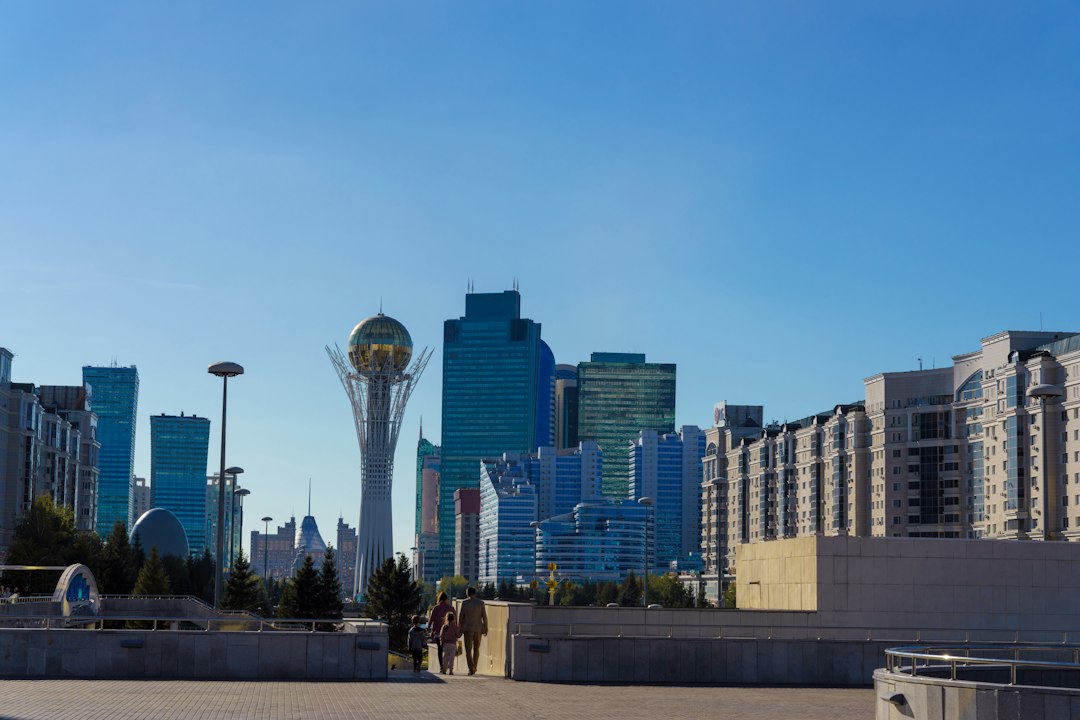
Astana, Kazakhstan’s capital, is another major destination for English teachers. It has a large number of educational institutions, including prestigious schools and universities.
The concentration of government-linked educational projects makes it particularly interesting for teachers with stronger academic qualifications and classroom experience.
Private language schools
Private language schools are probably the most accessible option for teachers who meet the basic qualification requirements.
They offer general English classes, young learner programmes and examination preparation. Salaries vary considerably depending on the school, teaching experience and location.
Typical monthly salaries range from approximately 220,000 to 650,000 KZT ($475–$1,400).
IELTS and examination preparation centres
IELTS preparation is an important part of the private education market.
Many students want to improve their English to study overseas, and families are often willing to invest in additional tuition. Teachers with experience preparing students for IELTS and other examinations may find these positions particularly attractive.
Nazarbayev Intellectual Schools and other prestigious institutions
These schools represent the higher end of the market. Salaries can reach approximately $4,000 per month, although positions are competitive.
A recognised teaching qualification and substantial classroom experience are generally expected. A standalone TEFL certificate is unlikely to be sufficient.
Universities
Universities offer opportunities to teach general English and English for Academic Purposes. These positions are generally more suitable for experienced teachers, and a master’s degree or equivalent professional background may be required.
Regional cities
It is also worth considering cities such as Shymkent, Karaganda and Kyzylorda.
There may be fewer opportunities than in Almaty and Astana, but competition for positions can be lower. Living costs are also generally more affordable, which can make a regional position attractive for someone looking to gain experience in Kazakhstan.
Cost of living and salary expectations
One thing to consider when looking at teaching jobs in Kazakhstan is the difference in living costs between cities.
Almaty is generally the most expensive city in Central Asia, with higher costs for accommodation, restaurants and everyday expenses than Bishkek or Tashkent.
Astana is somewhat cheaper in several categories, although it is still a relatively expensive city by regional standards.
Can you save money teaching English in Kazakhstan?
This depends largely on your salary and, perhaps more importantly, what your employer includes in the contract.
At the lower end of the salary scale, living in Almaty can be quite expensive. Rent alone can take up a substantial part of a teacher’s monthly income.
However, many legitimate teaching positions include additional benefits such as:
- Free or subsidised accommodation
- Flight reimbursement
- Visa and work permit costs
- Health insurance
- Paid holidays
These benefits can make a considerable difference to how much money you have left at the end of the month.
For example, one recruitment listing for a position in Astana quoted an after-tax salary of $1,000–$1,200 per month, with free single accommodation included.
This is a much more attractive offer than the salary figure might initially suggest.
When comparing jobs, make sure you look at the complete package rather than simply choosing the position with the highest advertised salary.
Practical advice before accepting a job
Kazakhstan’s more formal visa system makes choosing the right employer particularly important.
Because your work permit and visa are linked to your employment, changing schools or leaving a position may involve additional immigration procedures.
Before accepting an offer, it is worth taking the time to check the school’s reputation and employment history.
Ask whether previous foreign teachers were paid on time and whether accommodation and other benefits were provided as promised. If possible, speak to someone who has worked at the school.
These are some of the checks highlighted by Rowan Lomas in our earlier interview about finding teaching jobs abroad. They are particularly relevant in Kazakhstan, where a poorly chosen employer can create more complications than in countries with a less formal recruitment process.
You should also make sure that your contract clearly explains your salary, working hours, accommodation arrangements, holiday entitlement and responsibility for visa expenses.
Is Teaching English in Kazakhstan a good idea?
Teaching English in Kazakhstan offers a number of advantages for foreign English teachers.
There is genuine demand for English, a relatively well-developed private education sector and opportunities for teachers with different levels of experience. The country’s investment in trilingual education also suggests that English will remain an important part of its education system.
However, it is not necessarily the easiest destination for someone looking to travel first and find work later.
The degree requirement and employer-sponsored visa process mean that you need to have your qualifications and employment arrangements in order before making the move.
The cost of living in Almaty is another consideration, particularly if your employer does not provide accommodation.
Our verdict on Teaching English in Kazakhstan:
Kazakhstan is a good option for teachers who hold a bachelor’s degree and want to work in a relatively structured teaching market. There are opportunities for newly qualified TEFL teachers in private language schools, while those with recognised teaching qualifications and classroom experience can aim for considerably better-paid positions.
Almaty and Astana offer the widest choice of jobs, but regional cities are also worth considering if you are looking for a lower cost of living.
If you are prepared to organise your visa and employment before travelling, Kazakhstan could be an excellent introduction to teaching English in Central Asia.
Figures and information in this guide on Teaching English in Kazakhstan are drawn from Kazakhstan’s official C3 visa requirements (gov.kz and Kazakh consular sources), immigration guidance from Rivermate, cost-of-living information from Numbeo and reporting by Times of Central Asia and Orda.kz, alongside 2026 cost estimates from About Kazakhstan and teaching job listings. TEFL qualification guidance is drawn from Oxford Seminars, Premier TEFL and The TEFL Institute.
Visa rules, fees and work permit requirements can change. Always confirm the latest requirements with a Kazakh consulate and your prospective employer before making travel arrangements.
Subscribe to the EFL Magazine Newsletter