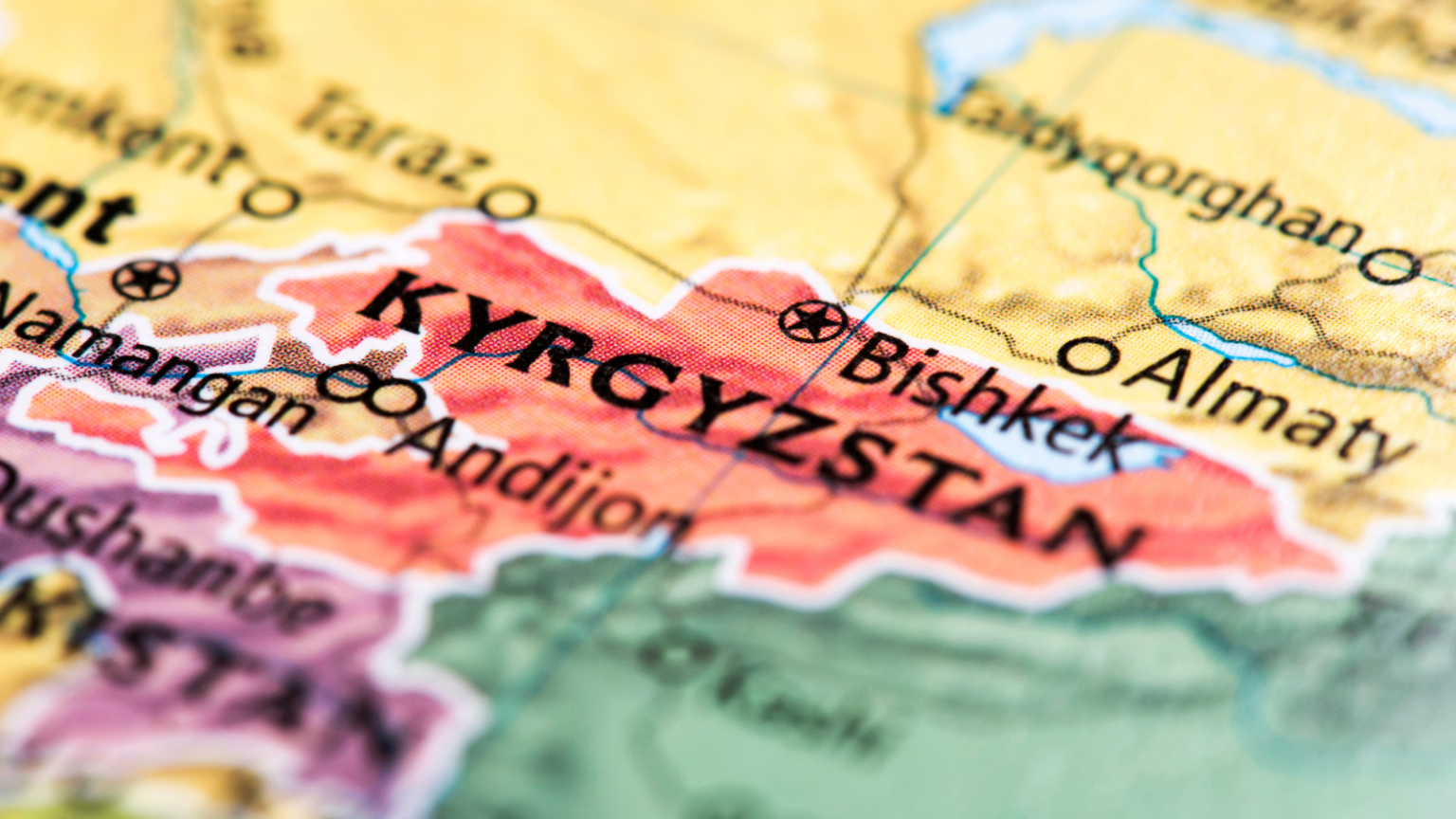
Teaching English in Kyrgyzstan is an interesting option for anyone thinking about teaching English in Central Asia. It may not have the same number of teaching opportunities as Kazakhstan or Uzbekistan, but it has something that makes it particularly appealing to first-time teachers: a relatively informal job market, a liberal visa regime and the opportunity to experience a country that is still largely undiscovered by foreign teachers.
There is also a particularly memorable story behind our interest in the country.
In our interview with Radu Olanson of Oxford Seminars, he told us about a first-time teacher who turned down other opportunities to teach in Kyrgyzstan. He went on to describe it as one of the best places in the world to begin a teaching career. What makes the story even more interesting is that he stayed through the COVID pandemic and the political upheaval of the 2020 Kyrgyz revolution.
It is quite an endorsement. Of course, Kyrgyzstan is not without its challenges, but the experience of teachers who have worked there suggests that it is well worth considering.

The English teaching market in Kyrgyzstan
Kyrgyzstan has a smaller and less formal English teaching market than its neighbours, Kazakhstan and Uzbekistan. English proficiency is relatively low across the country, and there is genuine demand for English teachers.
However, most public schools employ local English teachers, so foreign TEFL teachers are more likely to find work in the private sector.
The main opportunities are in:
- Private language schools
- International schools
- Universities and colleges
- Summer camps
- Private tutoring
There are some important differences between these types of employment.
Private language schools are probably the most accessible option for teachers with a TEFL qualification. Salaries can be relatively good by local standards, although schools may expect teachers to take on fairly demanding schedules and responsibilities.
International schools generally offer the highest salaries. However, these positions are usually for homeroom teachers or teachers delivering subjects in English, rather than conventional TEFL positions. A recognised teaching qualification and previous classroom experience will often be expected.
Universities also offer opportunities, particularly as more institutions introduce courses taught in English. Positions may include lecturing, teaching assistance and tutoring.
Compared with Kazakhstan and Uzbekistan, the market is less structured, which can make finding a suitable position a little more challenging. On the other hand, it can offer opportunities for teachers who are prepared to be flexible.
Read our guide to teaching English in Kazakhstan.
Visa and work permit requirements
One of the attractions of teaching in Kyrgyzstan is its relatively liberal entry regime. For many foreign teachers, it is considerably easier to visit the country and explore employment opportunities than it is in neighbouring Kazakhstan.
Most Western passport holders, including citizens of the UK, US, Canada, Australia and many EU countries, have traditionally been able to enter Kyrgyzstan without a visa for up to 60 days.
However, the rules changed in early 2026 for citizens of around 55 countries. Some nationalities now fall under a rolling 30-days-within-60 arrangement, rather than the previous 60-day visa-free stay. It is therefore important to check the current requirements for your passport before making travel arrangements.
Can you find a job after arriving?
This is one area where Kyrgyzstan differs from Kazakhstan.
It is relatively common for teachers to travel to Kyrgyzstan on a visa-free entry and look for work after arriving. Some schools are willing to meet prospective teachers in person and arrange the necessary paperwork once an agreement has been reached.
This is different from the more formal employer-first process in Kazakhstan, where securing a job and arranging the appropriate visa are generally part of the process before travelling.
However, being able to enter the country without a visa does not mean that you can legally work without the appropriate documentation.
Foreign teachers officially require a Unified Work Permit, with the employer normally handling much of the application through the State Migration Service. The process generally involves an employment contract, employer registration documents and the teacher’s personal paperwork. A working visa may also be required, depending on nationality and immigration status.
Permits are generally linked to the period of employment and are commonly issued initially for one year, with the possibility of renewal.
You can find further information through the Kyrgyzstan e-Visa portal.
Check your employer carefully
The more informal nature of the job market has advantages, but it also means that teachers need to be careful when accepting a position.
Before signing a contract, ask for references from previous foreign teachers. Find out whether the school has a history of paying salaries on time and whether accommodation and other benefits are actually provided as promised.
This is particularly important if you are travelling to Kyrgyzstan without having secured a position beforehand.
As Oxford Seminars’ Rowan Lomas explained in our earlier interview, checking a school’s employment history and speaking to previous teachers can help avoid some of the problems that arise when an overseas job does not turn out as advertised.
What qualifications do you need?
A 120-hour TEFL certificate is the standard qualification expected by most legitimate employers.
A bachelor’s degree is also strongly preferred and is often listed as a minimum requirement, particularly by schools using formal recruitment and placement services. However, it is not necessarily as strict a requirement as it is in Kazakhstan, where a degree is a legal condition for the relevant work visa.
Teachers without a degree may still find opportunities in Kyrgyzstan, although their options will be more limited.
If you are considering teaching in the country for the first time, it is worth investing in a recognised TEFL qualification before applying.
You can explore our recommended TEFL courses to find out more about the different options available.
Recommended TEFL Courses
The TEFL Institute of Ireland
Gain internationally recognised TEFL certification, practical teaching skills, expert support, and the confidence to start your teaching journey anywhere.
Premier TEFL
Get qualified with flexible TEFL training, practical resources, expert guidance, and the confidence to teach English and explore opportunities worldwide.
The TEFL Institute
Get TEFL certified, gain practical teaching skills, and turn your qualification into opportunities to teach, travel, work, and experience life abroad.
Oxford Seminars
Turn your dream of teaching abroad into reality with practical training, and the confidence to begin your international adventure.
Where can you find teaching jobs?
Most of the opportunities for foreign English teachers are concentrated in a few locations.
Bishkek
Bishkek is the capital and by far the largest market for English teachers. It has the greatest concentration of private language schools, international schools and universities. It is the obvious place to begin looking for work.
Osh
Osh is Kyrgyzstan’s second-largest city and is located in the south of the country. There are fewer teaching opportunities than in Bishkek, but it is worth considering, particularly if you are interested in university teaching or working in a smaller community.
Private language schools
Private language schools are likely to be the most accessible option for newly qualified TEFL teachers. They can offer relatively attractive salaries by local standards, although working hours and teaching responsibilities vary considerably.
International schools
International schools are generally the best-paying employers. They tend to look for teachers with recognised teaching qualifications and previous classroom experience. These positions are more competitive and are not necessarily suitable for someone just starting out in TEFL.
Universities
Universities offer opportunities for lecturers, teaching assistants and tutors. The growth of English-medium courses has created additional demand for teachers who can work with university students.
Private tutoring
Private tutoring is another possibility. Some teachers use it to supplement their regular school income, while others find that it provides useful additional teaching experience.
It is also a good way to develop your classroom skills and build relationships with local students.
Cost of living and salary expectations
One of the attractions of Kyrgyzstan is its relatively low cost of living. Bishkek is generally cheaper than Almaty in Kazakhstan and slightly cheaper than Tashkent in Uzbekistan.
However, teachers should not assume that a low cost of living automatically means that they will be able to save a substantial amount of money.
Here is an approximate breakdown of salaries and living costs in Bishkek.
Cost of living in Bishkek
| Item | Monthly estimate |
|---|---|
| Standard TEFL / language-centre salary | 40,000–131,150 som ($455–$1,500) |
| International school salary | $1,100–$3,000 |
| Comfortable monthly budget, single person | Approximately $1,899 |
| Frugal monthly budget | Approximately $735 |
| Work permit and visa processing | Employer-led; costs vary |
Figures are estimates and will vary depending on the employer, accommodation, lifestyle and exchange rates.
Can you save money teaching English in Kyrgyzstan?
The answer depends largely on the type of job you find.
For teachers working in private language schools, salaries can be relatively modest when compared with the cost of living. As Radu Olanson explained in our interview, a typical teaching salary may leave you close to breaking even each month.
That does not necessarily mean that you will struggle financially. Bishkek is an affordable city by international standards, and a teacher who manages their expenses carefully can enjoy a comfortable lifestyle.
However, if your main reason for teaching abroad is to save money, Kyrgyzstan may not be the best choice.
International school positions offer a much better financial prospect, with salaries that can reach $3,000 per month depending on qualifications and experience. Private tutoring can also provide an additional source of income.
For many first-time teachers, the main attraction of Kyrgyzstan is likely to be the experience of living and working in a different culture rather than the opportunity to build up savings.
Is Kyrgyzstan a good place to start teaching English?
Kyrgyzstan has several things going for it as a first teaching destination.
The relatively straightforward entry requirements make it possible for many teachers to visit the country, meet potential employers and get a feel for the local teaching market before committing to a longer-term position.
This is particularly useful if you are unsure about where you want to teach or would prefer to see a school and meet its staff before accepting a job.
There are, however, some things to consider before teaching English in Kyrgyzstan
The job market is smaller than in Kazakhstan or Uzbekistan, salaries are not particularly high, and the less formal recruitment process means that you need to do your homework before accepting a position.
It is also important to recognise that Kyrgyzstan has experienced political instability. The 2020 revolution is a reminder that the country has faced periods of considerable uncertainty. Teachers should keep themselves informed about local conditions and follow current travel advice.
Nevertheless, the experience described by Radu Olanson’s former student is an interesting example of what teaching in the country can offer. Despite the challenges, he clearly felt that the experience was worth it.
Our verdict: Kyrgyzstan is worth considering if you are a newly qualified TEFL teacher looking for an opportunity to gain experience in a less conventional destination. It offers a relatively accessible route into the local job market, a lower cost of living and the chance to experience a fascinating part of Central Asia.
You are unlikely to get rich teaching English there, but if you are more interested in the experience than the salary, it could be an excellent place to begin your teaching career.
Figures and information in this guide on teaching English in Kyrgyzstan are drawn from Oxford Seminars’ country notes, TEFL qualification and course guidance from Premier TEFL and The TEFL Institute, current job listings from SeriousTeachers and International TEFL Academy, Kyrgyzstan’s visa information and reporting by 24.kg, work-permit guidance from Rivermate and Remote.com, and cost-of-living data from CostLiving, using Numbeo-sourced figures.
Visa requirements can change and vary according to nationality. Always check the latest entry requirements and work-permit arrangements before travelling.
Subscribe to the EFL Magazine Newsletter